Multi-Modal Transport: Combining Road, Rail, and Air for Faster Delivery
The evolution of modern logistics transcends single-mode transport. Whilst road transport dominates UK courier services, sophisticated operators increasingly orchestrate multi-modal networks combining road, rail, and air transport to optimise cost, speed, and environmental performance. Multi-modal logistics integrate diverse transport modes, selecting each based on characteristics suited to specific journey segments. A single shipment might travel via local van delivery, then consolidate at a rail hub, transit via overnight train service, and complete final-mile delivery through another van leg. This integrated approach achieves speed and efficiency impossible through single-mode transport alone.
The Multi-Modal Advantage: Speed Through Integration
Multi-modal transport's primary benefit is enabling faster delivery through optimised mode selection. Road transport excels in flexibility and final-mile delivery; rail transport excels in high-volume trunk movements; air transport excels in time-critical international service. Sequencing these appropriately compounds advantages. A parcel requiring next-morning delivery across Scotland might overnight via van to a rail hub, then transit via express train overnight—arriving ready for next-morning local delivery. This approach achieves speed approximating air freight whilst remaining cost-effective through rail's superior unit economics.
Speed advantages extend beyond single shipments. Consolidated shipments moving via rail overnight free morning road capacity for same-day local deliveries. Multi-modal networks achieve higher utilisation of each transport mode, spreading fixed costs across more shipments whilst improving service speed. Couriers implementing sophisticated multi-modal strategies outcompete single-mode competitors on both cost and speed metrics.
"Multi-modal networks achieve 30-40% superior speed performance compared to road-only delivery whilst reducing operating costs by 20-25% through optimised mode selection and consolidated shipping."
Rail Networks and Strategic Consolidation
Rail freight represents UK logistics' most underutilised resource. Modern express freight services operate scheduled routes between major hubs—London, Birmingham, Manchester, Leeds—with reliable overnight service. Whilst slower than motorway road transport, rail offers exceptional cost advantages for consolidated shipments, plus environmental benefits. A trailer consolidating 20-30 cubic metres of parcels costs roughly £500 overnight via rail compared to £1,500+ via dedicated lorry.
Strategic hub positioning around rail networks enables efficient consolidation. A parcel from London destined for Glasgow could travel via van to Birmingham consolidation hub, then rail to Manchester, then final delivery van. This approach, whilst taking 1-2 days, costs substantially less than next-day road service whilst remaining competitive with standard overnight offerings. For shippers without time-critical requirements, rail-enabled delivery offers superior value.
Air Transport for Time-Critical Delivery
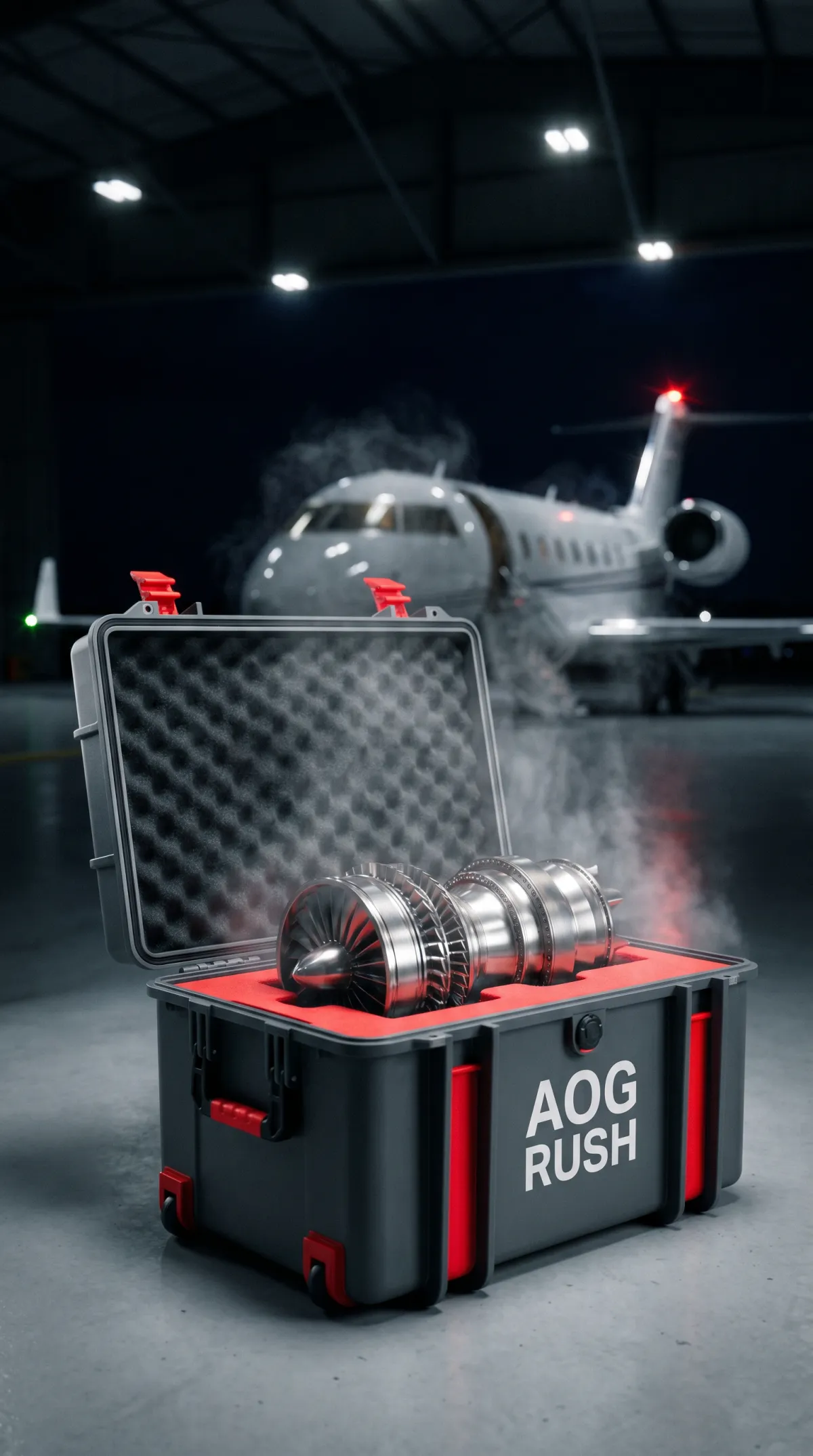
Air freight provides ultimate speed for international and time-critical shipments. UK has multiple distribution airports—London Stansted, East Midlands, Manchester—enabling domestic air shipment. An urgent shipment requiring arrival in continental Europe within 24 hours might travel van to airport, overnight flight, then final delivery van. Whilst expensive, air freight justifies cost for high-value time-sensitive goods where delay creates unacceptable consequences.
Scheduled air freight services operate on predictable timetables, enabling integration with ground transport schedules. Couriers coordinating shipments with flight departures achieve reliable service without premium "chartered flight" costs. However, air freight's environmental impact and cost restrict use to scenarios where speed necessity justifies premium pricing. Responsible couriers reserve air freight for legitimate time-critical needs rather than routine expedited service.
Hub Networks and Intermodal Facilities
Successful multi-modal operations depend on strategic hub positioning. Major intermodal hubs connect road, rail, and sometimes air infrastructure, enabling efficient mode transitions. Parcels transfer between vehicles with minimal handling time. Manchester's SEGRO facility exemplifies modern intermodal infrastructure—trains dock beside road loading bays, enabling parcel transfer between modes within hours.
Hub positioning influences efficiency dramatically. A London-Manchester overnight shipment consolidates at a strategically located hub—perhaps Birmingham or Coventry—avoiding expensive movement to less convenient interchange points. Hub location decisions balance network coverage against consolidation efficiency. Too many hubs fragment traffic; too few hubs reduce service area coverage.
Technology Integration and Coordination
Multi-modal networks demand sophisticated technology integration. Parcels require tracking across mode transitions; shipments must coordinate with vehicle departures; consolidation algorithms must optimise routing across diverse transport options. Modern WMS and TMS platforms integrate mode-selection algorithms, automatically choosing optimal combinations based on time requirements, shipment characteristics, and network loads.
Real-time visibility across modes requires data sharing between road, rail, and air operators. APIs connecting courier systems with train operators' booking and tracking systems enable seamless integration. Customers benefit from unified tracking across all legs—they observe shipment movement across modes, gaining confidence in coordinated delivery. Without sophisticated technology integration, multi-modal complexity overwhelms operational efficiency.
Cost-Efficiency Through Mode Optimisation
Multi-modal economics advantage become apparent at scale. Moving small parcels exclusively via road is expensive; consolidating those shipments and transitioning to rail overnight dramatically improves cost efficiency. A shipment requiring 24-hour London-Manchester delivery costs £80-120 via dedicated road transport or £30-40 via consolidation and rail. Price differences justify consolidation complexity when scale enables regular shipments.
Seasonal fluctuations advantage multi-modal networks. Peak season might strain rail capacity, favouring road alternatives. Off-season might offer superior rail pricing, favouring consolidation. Flexible networks shift between modes opportunistically, optimising costs dynamically. Single-mode operators lack this flexibility, remaining dependent on fixed transport options regardless of market conditions.
Environmental Benefits of Multi-Modal Systems
Multi-modal networks deliver environmental advantages exceeding single-mode operations. Rail transport generates 75-90% lower emissions per tonne-kilometre compared to road. Consolidating volume enables frequent rail service utilisation. A London-Manchester corridor serving 2,000 parcels weekly via dedicated road lorries generates roughly 40 tonnes annual CO2; the same volume via consolidated rail reduces emissions to roughly 8 tonnes—80% reduction.
These environmental advantages increase as networks scale. Regions with frequent rail service benefit disproportionately; mature networks achieve environmental performance superior to nascent systems. Forward-thinking couriers position themselves to leverage rail expansion, positioning hubs near planned rail infrastructure investments.
Conclusion: Future Logistics Integration
Multi-modal logistics represent logistics' future. Road-only networks increasingly appear inefficient and environmentally harmful. Couriers investing in rail partnerships, hub infrastructure, and technology integration position themselves advantageously as customers demand faster, cheaper, more sustainable delivery. Multi-modal complexity requires sophistication; only professional logistics operators successfully orchestrate these integrated systems.
Maine Couriers operates integrated multi-modal networks spanning UK and Europe, combining road, rail, and air transport optimally for each shipment. Whether requiring next-day economy service or time-critical express delivery, our multi-modal capabilities deliver superior speed and cost efficiency. Experience the advantages of truly integrated logistics.
Leverage multi-modal transport for optimised delivery
Maine Couriers combines road, rail, and air transport to deliver faster, cheaper, more sustainable service. Get the benefits of integrated logistics.
Get a Quote Today