Courier Security: Protecting High-Value Shipments Across the UK
High-value shipments require extraordinary security measures. Whether transporting jewellery, electronics, artwork, or precious goods, the consequences of loss or theft extend beyond financial impact to include reputational damage, legal liability, and customer relationship deterioration. Professional courier services operating in the high-value segment implement multi-layered security protocols encompassing vehicle selection, driver vetting, tracking systems, and insurance coverage. Understanding these protection mechanisms helps clients make informed decisions when selecting courier partners for valuable goods.
Risk Assessment and Route Planning
High-value shipments begin with comprehensive risk assessment. Factors considered include shipment value, destination risk profile, seasonality, and historical loss data. High-risk routes—those with elevated theft rates or difficult geographic conditions—receive enhanced security protocols. Urban delivery routes might require armoured vehicles and armed security; rural routes might emphasize vehicle tracking and communication protocols.
Route planning for high-value goods prioritizes security over speed. Rather than optimizing for shortest journey time, routes consider police response times, lighting conditions, security infrastructure at pickup and delivery locations, and traffic congestion that could strand vehicles. Timing decisions reflect similar security considerations—avoiding late evening delivery to isolated locations, coordinating with recipient availability, and selecting low-traffic periods when vehicles attract less attention.
"High-value courier services implementing comprehensive security protocols experience loss rates below 0.01%, whilst standard courier services handling equivalent goods without security measures experience loss rates exceeding 2%—a 200-fold difference."
Vehicle Security and Equipment
Vehicles transporting high-value goods require specialised security features. Armoured vehicles with reinforced panels, secure cargo compartments with dual-lock systems, and GPS tracking provide physical protection. Some couriers deploy unmarked vehicles that appear inconspicuous, reducing attractiveness to potential thieves. Locking mechanisms include electronic locks, mechanical combinations, and biometric systems ensuring only authorised personnel access cargo.
Modern tracking systems provide real-time location visibility and geofencing alerts when vehicles deviate from planned routes. Duress buttons enable drivers to discreetly alert monitoring centres if confronted. Two-person crews on high-value shipments provide witnesses and enable continuous vehicle and cargo security. Insurance requirements often mandate specific vehicle types, communication equipment, and tracking systems, ensuring courier services maintain appropriate security infrastructure.
Driver Selection and Vetting
Drivers transporting high-value goods undergo rigorous vetting processes exceeding standard courier hiring. Background checks identify criminal history, financial stress, and previous security incidents. Psychological evaluations assess reliability and trustworthiness. Drivers participate in specialist security training covering threat recognition, emergency procedures, and conflict de-escalation. Continuous monitoring tracks driver performance, customer feedback, and adherence to security protocols.
Insurance providers often require minimum experience levels and security certifications for drivers handling high-value goods. Some couriers restrict high-value assignments to senior drivers with proven track records. This investment in driver quality reduces not only theft risk but also damage and mishandling of valuable goods, ensuring comprehensive protection beyond simple loss prevention.
Chain of Custody Documentation
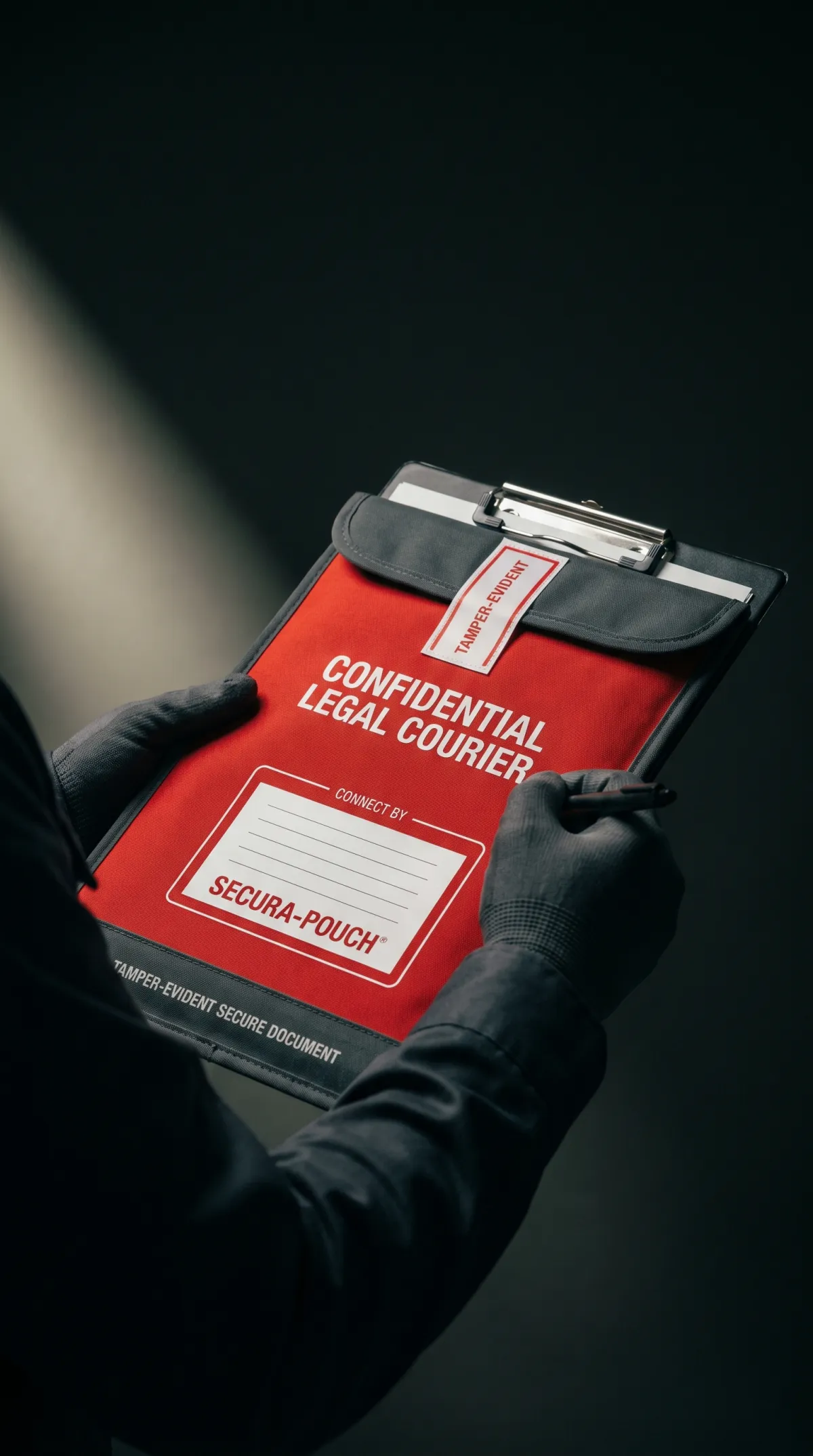
Comprehensive documentation of shipment movement creates accountability and legal protection. High-value shipments require detailed pickup documentation recording condition, seal integrity, and photographic evidence. Driver signatures confirm acceptance of responsibility. Delivery documentation includes recipient signatures, condition inspection, and photographic evidence of delivery location.
This meticulous documentation serves multiple purposes. It establishes irrefutable proof of delivery, resolving disputes regarding shipment arrival. It creates accountability for every individual handling goods, discouraging dishonest actions. It documents condition at each stage, protecting against claims of damage during courier handling. In event of loss or theft, comprehensive documentation supports insurance claims and enables law enforcement investigation.
Insurance Coverage and Liability
Insurance represents the final protection layer for high-value shipments. Courier companies handling valuable goods maintain robust liability insurance covering loss, theft, and damage. Understanding insurance policies is critical—coverage limits, excluded items, and documentation requirements vary dramatically. Some policies exclude certain high-risk items; others require specialised endorsements for particular goods.
Customers should verify that courier services carry adequate insurance for shipment values. Insurance coverage gaps expose shippers to uncompensated loss. Working with couriers who proactively discuss insurance—ensuring coverage matches shipment value and understanding exclusions—provides confidence in financial protection. Some couriers offer supplemental insurance for particularly valuable goods, providing additional protection beyond standard coverage.
Technology and Real-Time Monitoring
Modern courier services employ sophisticated monitoring systems providing real-time visibility and anomaly detection. GPS tracking enables precise location monitoring; deviations from planned routes trigger alerts. Geofencing notifications alert monitoring centres when vehicles approach high-risk areas or deviate from intended corridors. Communication systems maintain continuous contact between drivers and control centres, enabling immediate response to threats.
Artificial intelligence systems analyse delivery patterns, identifying suspicious behaviour—extended stops at unusual locations, route deviations, driver behaviour changes—triggering investigation. Video recording in vehicles documents activities, providing evidence in case of incidents. These technological systems combine with human monitoring, creating comprehensive surveillance that significantly deters theft and enables rapid response.
Conclusion: Professional Protection for Valuable Assets
High-value shipments demand professional security expertise. The difference between professional courier services and standard delivery providers becomes apparent when examining security protocols, driver qualifications, vehicle specifications, and insurance coverage. For valuable goods, selecting courier partners based solely on price represents false economy—insurance claims process disputes, potential legal liability, and reputational damage far exceed modest courier cost savings.
Maine Couriers maintains specialised high-value division deploying armoured vehicles, vetted drivers, comprehensive insurance, and advanced monitoring. We view security as integral to service excellence, not an optional add-on. For your most valuable shipments, trust Maine Couriers' proven expertise in protecting assets across the UK.
Secure professional protection for your high-value shipments
Maine Couriers specialises in high-value transport with armoured vehicles, vetted drivers, and comprehensive security protocols. Trust your valuables with proven professionals.
Get a Quote Today