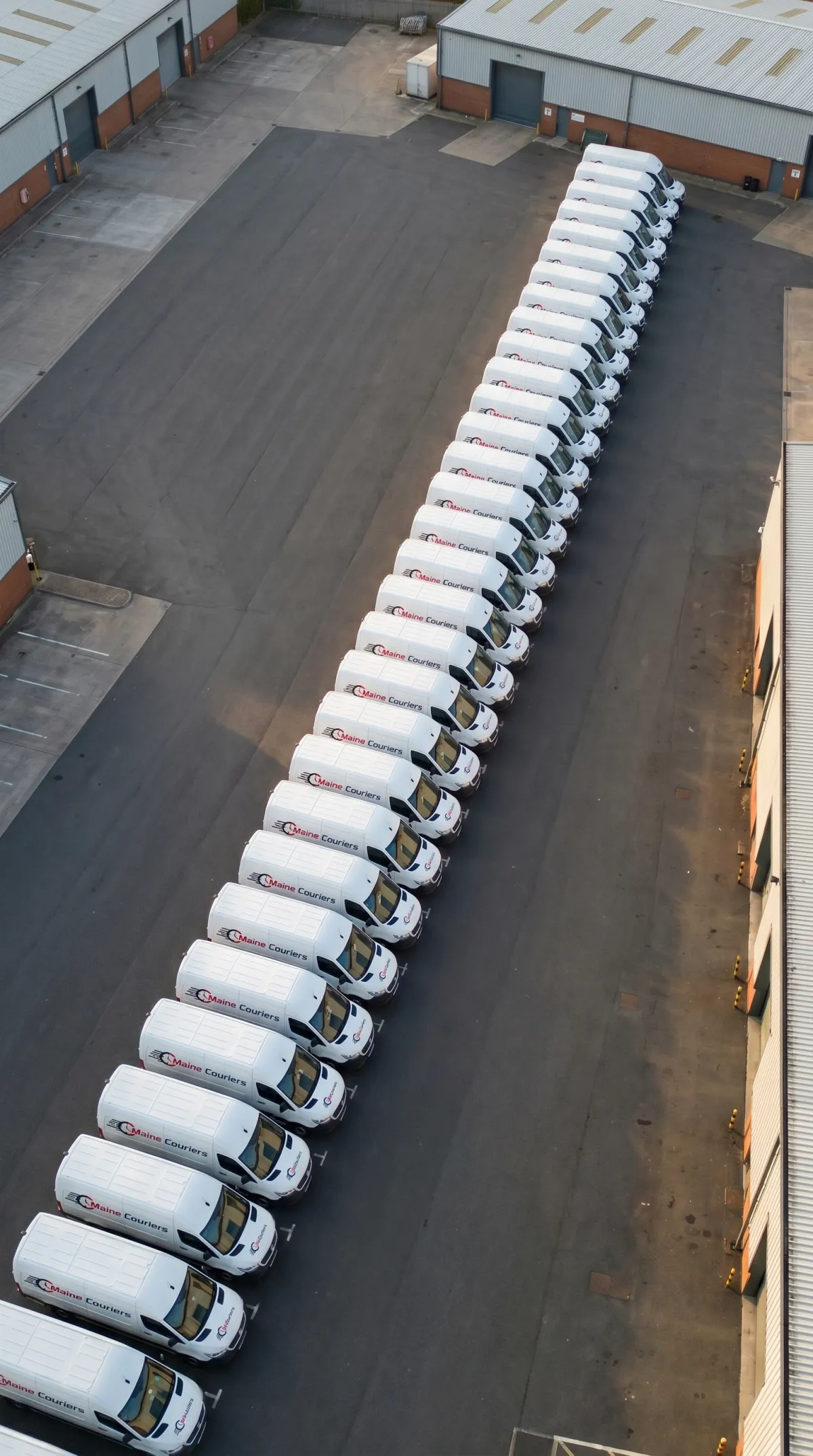
Fleet management represents one of the most substantial operational and financial components of any courier business. Vehicles are significant capital investments, require ongoing maintenance and insurance, generate fuel costs, depreciate over time, and fundamentally determine service delivery capability. Managing fleet resources efficiently—maintaining vehicles optimally, deploying them strategically, scheduling maintenance effectively, and ensuring driver professionalism—directly impacts profitability, reliability, and customer satisfaction. Courier companies excelling at fleet management outcompete those struggling with vehicle-related challenges. This guide explores best practices enabling superior fleet management performance.
Fleet Planning and Vehicle Selection
Effective fleet management begins with deliberate planning. Companies must carefully analyse operational requirements: typical delivery volumes, average delivery distances, geographic coverage areas, vehicle load requirements, and growth projections. Based on this analysis, selecting appropriate vehicle types—vans, cars, lorries, cycles, or hybrid combinations—ensures the fleet matches business requirements without excess capacity or insufficiency.
Vehicle selection should consider lifecycle costs rather than purchase price alone. Although cheaper vehicles reduce initial capital outlay, poor fuel economy, high maintenance costs, and rapid depreciation may make them more expensive long-term. Conversely, premium vehicles with excellent reliability and efficiency may justify higher purchase prices through reduced operational costs. Comprehensive lifecycle cost analysis ensures vehicles purchased minimise total cost of ownership. Telematics systems installed in vehicles provide data informing future vehicle selection decisions based on real operational performance.
"Fleet management excellence isn't about having the newest vehicles or the largest fleet. It's about having the right vehicles optimally maintained, efficiently deployed, and professionally managed—creating reliable service at minimal cost."
Preventive Maintenance Protocols
Preventive maintenance represents the most cost-effective approach to vehicle management. Regular servicing—oil changes, filter replacements, fluid checks, and component inspections—prevents breakdowns that would otherwise disrupt service and incur emergency repair costs. Establishing strict maintenance schedules based on manufacturers' recommendations and tracking adherence meticulously ensures vehicles remain reliable. Modern fleet management software can track maintenance history and automatically alert managers when vehicles require servicing, preventing overlooked maintenance.
Preventive maintenance extends vehicle lifespan, maintains warranty coverage, improves fuel efficiency, reduces risk of customer-impacting breakdowns, and ultimately reduces total ownership costs substantially. Couriers delaying maintenance to reduce costs invariably incur much larger costs when vehicles fail unexpectedly during critical operations. Maintenance should be viewed as operational investment, not discretionary expense.
Fuel Management and Efficiency Optimisation
Fuel represents a substantial operating cost, particularly in volatile fuel price environments. Effective fuel management encompasses several strategies. Route optimisation—discussed elsewhere—reduces fuel consumption by eliminating wasteful miles. Telematics systems monitoring driver behaviour—excessive speed, harsh acceleration, extended idling—identify inefficient driving consuming excess fuel. Driver training programmes teaching efficient driving techniques substantially reduce fuel consumption.
Fuel tracking systems comparing actual fuel consumption against expected consumption identify vehicles operating inefficiently due to mechanical issues or driver behaviour, enabling targeted intervention. Negotiating bulk fuel purchasing contracts with fuel suppliers reduces per-litre costs. For future-focused fleets, transitioning to fuel-efficient vehicles or electric vehicles reduces long-term fuel costs and aligns with sustainability goals increasingly important to business customers and regulatory bodies.
Driver Management and Safety
Drivers represent the most critical fleet asset—they directly interact with customers, ensure safe cargo transport, and determine whether vehicles operate efficiently. Comprehensive driver management encompasses recruitment, training, performance monitoring, and safety management. Recruiting experienced, professional drivers avoids costly turnover and service quality issues associated with poor recruitment. Comprehensive training—covering vehicle operation, customer service, cargo handling, and safety protocols—ensures consistent professional standards.
Telematics systems monitoring driver behaviour—speed, harsh braking, acceleration, cornering—identify risky driving enabling targeted coaching. Some systems automatically alert drivers when they exceed speed limits or demonstrate unsafe behaviour. Incentive programmes rewarding safe driving and efficiency encourage positive behaviours. Regular performance reviews providing feedback help drivers understand expectations and identify improvement areas. Investing in driver quality directly improves safety, reduces insurance costs, enhances customer satisfaction, and increases operational efficiency.
Maintenance Tracking and Analytics
Modern fleet management software tracks comprehensive maintenance data: service history, repair costs, component failures, downtime duration, and parts replacements. Analysing this data reveals patterns: vehicles with repeatedly failing components, maintenance periods escalating in cost, or excessive downtime. This intelligence informs replacement decisions, vendor selection, and future fleet procurement strategies. Vehicles with reliably low maintenance costs and minimal downtime are replaced less urgently; problematic vehicles are removed from fleet.
Maintenance analytics also identify maintenance vendors' performance. Comparing repair costs and downtime between vendors enables selection of most cost-effective, reliable service providers. Identifying common failure patterns enables discussions with manufacturers about design improvements or recalls. This data-driven approach to maintenance replaces reactive problem-solving with proactive optimisation.
Telematics and GPS Tracking Systems
Modern telematics systems provide unprecedented fleet visibility. Real-time vehicle tracking enables efficient customer communication about delivery timing. Route optimisation algorithms use GPS data to create efficient delivery sequences. Automated alerts notify managers when vehicles deviate significantly from planned routes, enabling intervention if drivers are lost or distracted. Geofencing capabilities automatically record when vehicles enter or exit defined areas, enabling location-based analytics.
Telematics data supports multiple operational functions: customer communication, route optimisation, driver behaviour monitoring, vehicle maintenance planning, and fleet analytics. The investment in telematics systems typically returns substantial value through efficiency improvements and cost reductions. However, telematics systems are only valuable when data is analysed and acted upon; deploying systems without ongoing analysis wastes their potential.
Insurance and Risk Management
Vehicle insurance represents substantial ongoing cost; managing this effectively is critical. Maintaining safe driving records, implementing comprehensive driver training, and demonstrating rigorous vehicle maintenance all reduce insurance claims and improve insurance premiums. Some insurers offer usage-based insurance using telematics data, enabling safe driving to reduce premiums. Reviewing insurance coverage regularly ensures adequate protection without excessive redundancy. Participating in industry insurance schemes may provide better rates through collective negotiation.
Beyond insurance, proactive risk management—identifying and mitigating vehicle-related risks before incidents occur—reduces losses. Safety audits identifying hazards, driver training preventing accidents, and vehicle maintenance preventing mechanical failures all reduce incidents and associated costs.
Environmental Compliance and Sustainability
Environmental regulations increasingly constrain fleet operations. Low-emission zones restrict older diesel vehicles; congestion charges apply in many UK cities; emissions standards tighten annually. Proactive fleet managers anticipate regulatory changes, planning vehicle replacement strategies ensuring compliance ahead of deadline-driven crises. Transitioning to electric vehicles or modern efficient diesel vehicles reduces regulatory risk and often improves customer perception, supporting competitive positioning.
Conclusion: Strategic Fleet Management as Competitive Advantage
Fleet management excellence combines multiple elements: strategic vehicle selection, rigorous maintenance, fuel efficiency focus, driver quality investment, data-driven analytics, and proactive risk management. Courier companies excelling at fleet management operate reliable vehicles efficiently, minimising downtime and costs whilst maximising customer satisfaction. The significant investment in fleet management infrastructure—telematics systems, maintenance software, training programmes—returns substantial value through reduced costs, improved reliability, enhanced safety, and superior customer service. In the competitive courier sector, fleet management excellence represents a fundamental competitive advantage that differentiates industry leaders from struggling competitors.
Excellence in Fleet Operations
Maine Couriers maintains and operates a modern, well-managed fleet ensuring reliable, efficient service. Experience the difference professional fleet management provides.
Get a Quote