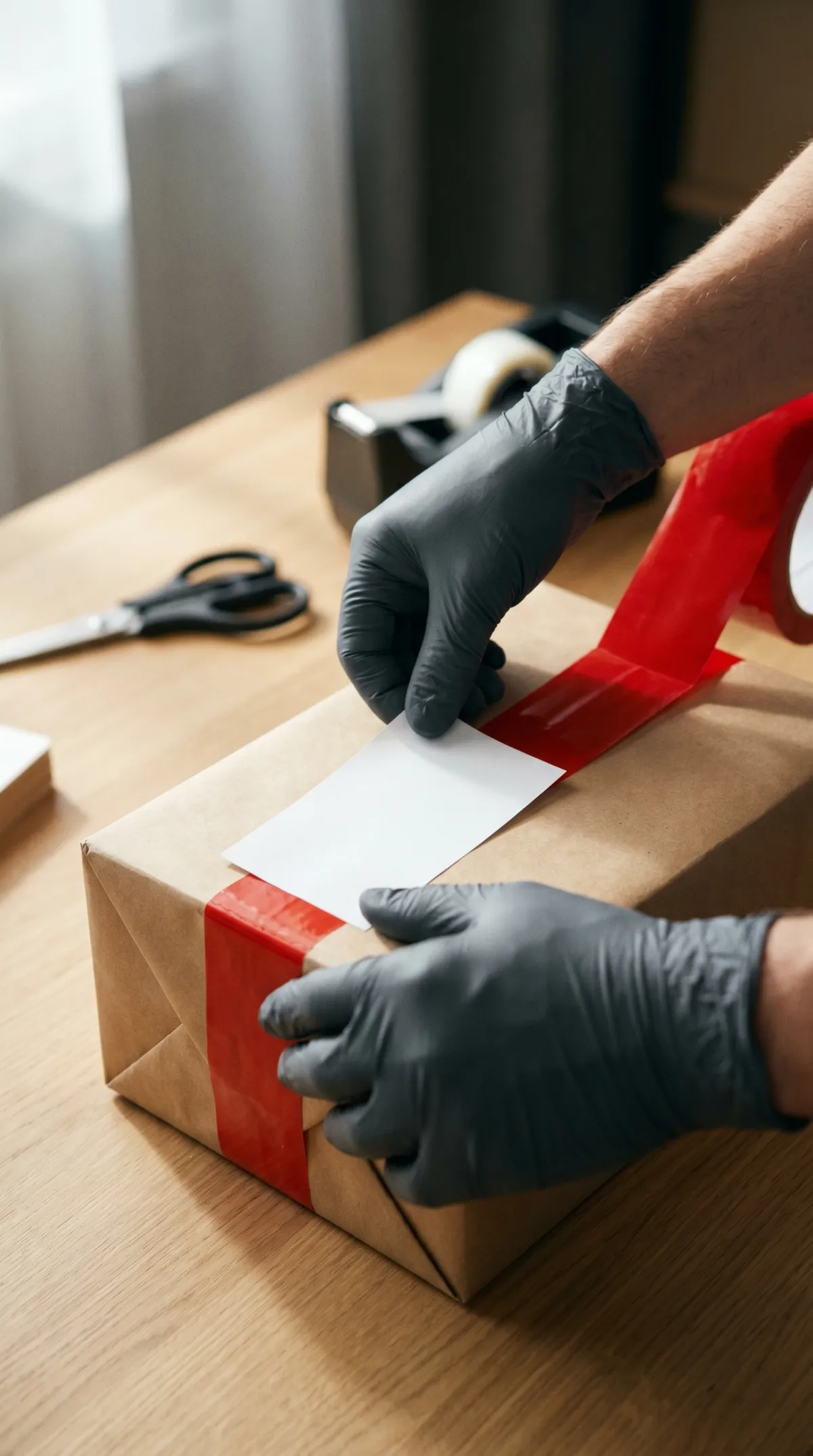
Fragile items represent some of the most challenging cargo for courier services. Whether shipping fine china, delicate glassware, electronics, collectibles, or other vulnerable items, improper packaging often results in damage that renders items worthless. Yet proper packaging techniques, whilst seemingly labour-intensive, are remarkably effective at protecting fragile items through the rigorous handling they endure in modern logistics networks. Understanding how to package fragile items correctly ensures your valuable shipments arrive intact, reducing the likelihood of claims, disputes, and disappointed recipients.
Understanding Fragile Item Risks in Transit
Fragile items face numerous hazards during courier delivery. Vibration and movement during transport can cause internal damage to delicate items even when external packaging appears undamaged. Impact when packages are loaded or unloaded can shatter contents. Temperature and humidity fluctuations stress materials, particularly ceramics and glass. Pressure from heavy items stacked above fragile packages can crush them. Water damage from unexpected weather or mishandled packages in sorting facilities can destroy contents. Understanding these specific risks enables selection of appropriate protective strategies.
Different fragile items require different protection approaches. Glassware needs impact protection; electronics need vibration isolation; paintings need pressure protection and scratch prevention; collectibles need moisture control. Tailoring packaging to specific item characteristics significantly improves protection effectiveness.
"The most effective fragile packaging approach recognises that items rarely fail from single catastrophic impacts but rather from cumulative stress—multiple small impacts, vibrations, and environmental factors combining to cause failure. Comprehensive protection addresses all these cumulative stressors."
Essential Protective Materials and Their Applications
Several protective materials form the foundation of effective fragile item packaging. Bubble wrap provides excellent shock absorption through air-filled bubbles; it's ideal for glassware, ceramics, and electronics. Packing paper offers lightweight cushioning and is superb for filling voids and preventing item movement. Foam sheets provide rigid protection for larger items, creating barriers preventing impact transfer. Air pillows—plastic pillows filled with air—offer excellent shock absorption with minimal weight. Corrugated cardboard in appropriately sized boxes prevents crushing and maintains shape.
For extremely valuable items, specialist materials exist: foam corner protectors for electronics, edge protectors for paintings, silica gel packets controlling humidity for moisture-sensitive items, and anti-static materials protecting electronics from electrical discharge. Selecting appropriate materials for your specific items maximises protection effectiveness.
The Wrapping Technique: Layer-by-Layer Protection
Effective fragile packaging employs layered protection. Begin with the item itself: wrap delicate items individually in packing paper, using multiple layers. Never wrap items too tightly; slight looseness allows protective material to absorb impact without transferring force to the item. Secure wrapping with tape, ensuring the wrapping doesn't shift during transit.
Next, apply bubble wrap: wrap the paper-wrapped item in bubble wrap, again using multiple layers for high-value or extremely fragile items. Ensure the bubble side faces outward (bubbles absorb impact better) and wrap securely but not excessively tightly. For items with sharp edges or protrusions, place bubble wrap or foam sheets between the item and surrounding packaging to prevent puncturing protective materials.
Box Selection and Void Management
Choose appropriately sized boxes—boxes too large create excessive movement space; boxes too small risk crushing items during stacking. Ideal boxes have approximately 2-3 inches of space on all sides of the wrapped item, allowing room for protective cushioning materials. Always use new, undamaged corrugated boxes for fragile items; worn boxes lack structural integrity.
Void management—filling empty space within boxes—prevents item movement. Use packing peanuts, crumpled packing paper, or air pillows to fill all voids completely. Shake the box gently; if items move, add more void-filling material. This seemingly tedious step is critical: items that shift during transit inevitably suffer damage despite individual protective wrapping. Complete void filling is non-negotiable for fragile items.
Specialised Packaging for Specific Items
Glassware and ceramics require careful wrapping with individual pieces separated by protective material; never allow pieces to touch each other. Plates should stand vertically rather than stacking flat. Electronics require anti-static materials and cushioning protecting sensitive internal components from impact. Paintings and artwork need corner protectors, edge protection, and wrapping preventing scratches. Collectibles require moisture control through silica gel, protection from light exposure through opaque packaging, and temperature-stable environments.
For extremely valuable items, double boxing—placing the carefully packed primary box inside a larger secondary box with cushioning between them—provides exceptional protection. This approach absorbs external impact before force transfers to the inner box containing the item.
The most costly aspect of fragile item shipping isn't protective materials; it's replacing damaged items, processing claims, managing disputes, and dealing with customer disappointment. Investing in comprehensive packaging is remarkably cost-effective when the alternative is replacing damaged items worth significantly more than protective materials.
Documentation and Special Handling Requests
Clearly mark packages as "FRAGILE" on multiple sides in large, easily readable text. Include directional indicators ("THIS SIDE UP") for items sensitive to orientation. Include handling instructions on the box. When using courier services, declare items as fragile and discuss any special handling requirements with the courier. Some couriers offer specialised fragile item services with additional handling care; these are often worth the premium for valuable items.
Document item conditions before shipping through photographs. If damage occurs, you'll have evidence supporting insurance claims. Consider purchasing additional courier insurance covering fragile items at declared value; standard liability often insufficiently covers valuable fragile items.
Testing Your Packaging
For high-value items or items you're shipping for the first time, test your packaging by performing a drop test. Carefully drop the packaged item from a modest height onto a hard surface. If it survives with no damage, your packaging provides adequate protection. If damage occurs, revise your approach. This testing is particularly valuable for custom items where damage would be irreplaceable.
Conclusion: Protecting Your Valuable Fragile Items
Proper fragile item packaging combines appropriate material selection, careful wrapping technique, void management, and documentation. Whilst labour-intensive initially, these practices become routine once understood. The investment in protective materials and careful packaging pales against potential loss of valuable fragile items. By applying these professional packaging techniques, even small businesses and individuals can achieve the same fragile item protection as specialised logistics companies, ensuring valuable shipments arrive intact and recipients receive exactly what they paid for.
Safe Fragile Item Delivery
Maine Couriers specialises in safe fragile item shipping. We offer expert handling and comprehensive insurance for your valuable cargo.
Get a Quote