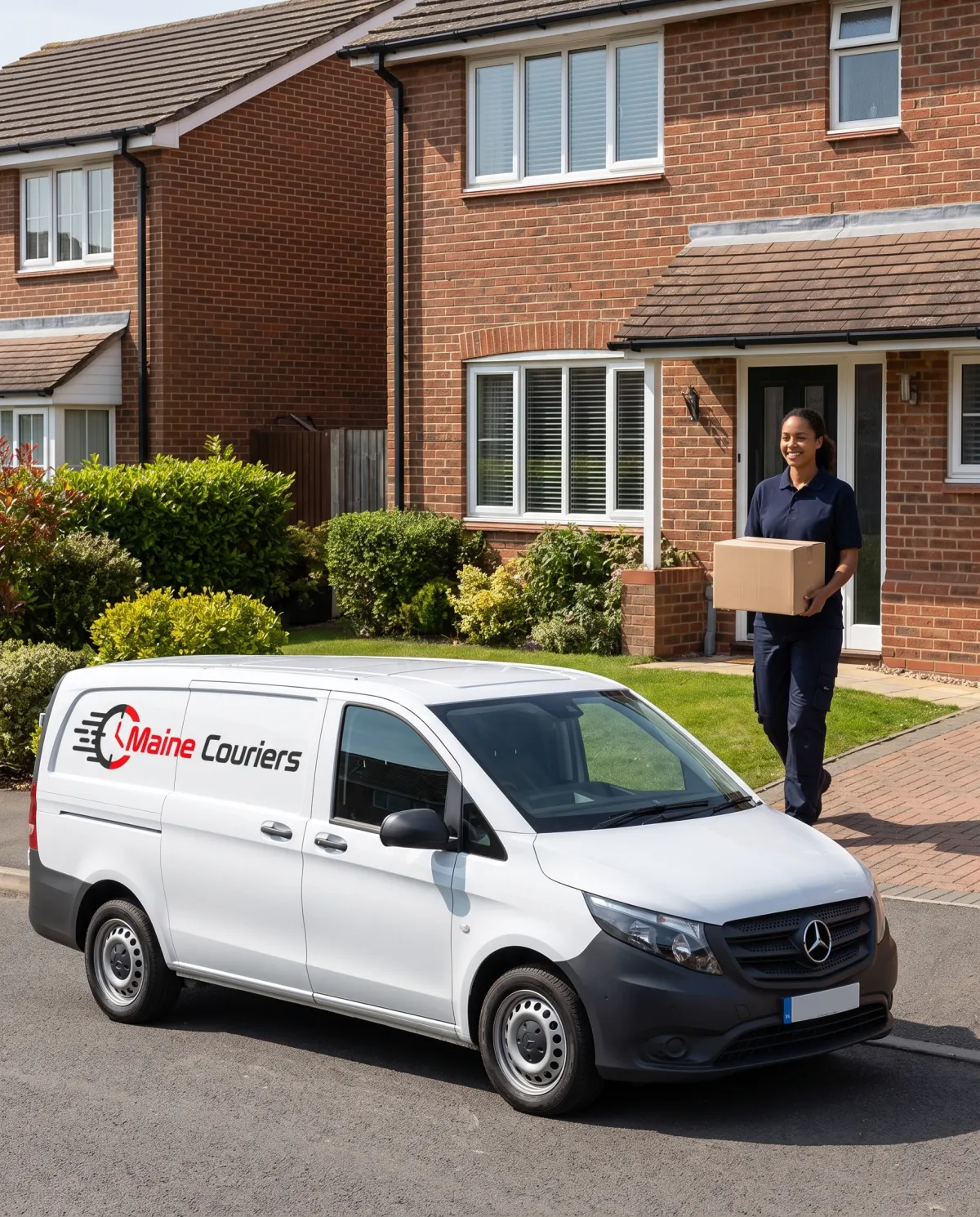
Failed deliveries represent one of the most costly problems in modern logistics, creating financial losses, damaging customer relationships, and straining operational resources. When a delivery fails—whether due to incorrect addresses, customer unavailability, access issues, or failed attempts—both couriers and customers pay the price. Reducing failed deliveries and improving first-time success rates should be a priority for any business concerned with customer satisfaction and operational efficiency. This guide explores practical, evidence-based strategies proven to increase delivery success rates significantly.
Understanding the Root Causes of Failed Deliveries
Before implementing solutions, understanding why deliveries fail is essential. The most common causes include customers not being home at delivery time, incorrect or incomplete address information, access problems to buildings or compounds, customer preference for alternative delivery locations, and communication breakdowns between couriers and recipients. Data from industry surveys indicates that residential deliveries experience first-time failure rates between 10-20 percent, with some sectors experiencing significantly higher rates during challenging periods.
Each failed delivery incurs substantial costs: fuel for re-delivery attempts, driver time, administrative processing, storage, and often goodwill refunds. Beyond these direct costs, failed deliveries damage customer satisfaction, increase return rates, and harm businesses' reputations. Understanding this financial impact motivates investment in preventative strategies.
"A single failed delivery typically costs 5-8 times more than the profit from the original transaction. Improving first-time success rates directly impacts profitability and customer satisfaction—making it a win-win investment."
Implementing Proactive Communication Systems
The most effective failed delivery reduction strategy involves robust pre-delivery communication. SMS and email notifications informing customers of delivery dates and time windows significantly increase presence rates. Providing drivers with direct customer contact information enables real-time communication when approaching the delivery location. Some advanced systems use automated calls or messages 1-2 hours before delivery, allowing customers to provide last-minute instructions or reschedule if needed.
Interactive communication goes further. Allowing customers to confirm delivery preferences, provide access instructions, or indicate absence enables proactive responses. If a customer notifies the courier that they won't be home, arrangements can be made pre-delivery rather than wasting driver time on an inevitable failed attempt. Digital platforms enabling customers to reschedule deliveries before drivers are dispatched prevent failed attempts entirely.
Optimising Address Data and Validation
Incomplete or inaccurate address data causes substantial delivery failures, particularly in areas with complex address systems or new developments. Implementing address verification systems at the point of order reduces errors significantly. These systems cross-reference customer entries against postal databases, identifying potential issues before dispatch.
Encouraging customers to provide detailed delivery instructions—including building codes, gate numbers, flat numbers, and access information—transforms impossible deliveries into successful ones. Digital forms with mandatory fields for critical information ensure complete data collection. For business-to-business deliveries, maintaining updated contact details with specific person names improves success rates substantially compared to generic "reception" destinations.
Flexible Delivery Options and Choice
Modern customers expect delivery flexibility. Offering multiple delivery options—specific time windows, safe place delivery, neighbour delivery, collection points, or alternative delivery dates—accommodates diverse customer circumstances. Some customers prefer early morning deliveries before work, whilst others prefer evenings. Providing this choice dramatically improves presence rates.
Safe place delivery instructions are particularly valuable. When couriers are authorised to leave packages in secure locations—inside porches, behind bins, with neighbours, or in collection boxes—they can complete deliveries even if customers aren't home. This requires customer authentication and security measures but eliminates many failed delivery scenarios. Offering collection from local parcel shops appeals to customers unable to receive home deliveries.
Training and Technology for Drivers
Driver training significantly impacts success rates. Drivers equipped with excellent customer service skills, problem-solving capabilities, and empowerment to make decisions improve success substantially. Training should cover communication techniques, handling difficult situations, and creative problem-solving when standard delivery approaches fail. Authorising drivers to suggest alternative solutions—such as safe place delivery or rescheduling—rather than simply failing the attempt increases success rates.
Technology also helps. Mobile applications enabling real-time driver communication with customers allow immediate resolution of access or location issues. GPS tracking shows customers estimated arrival times with precision, enabling them to arrange access or alert neighbours. Some advanced systems use photo evidence and digital signatures, proving delivery attempts and completion, reducing disputes and failed delivery claims.
Empowering frontline drivers with good communication tools, training, and decision-making authority often produces the greatest impact on first-time success rates. Drivers, not algorithms, ultimately determine whether deliveries succeed.
Analytics and Continuous Improvement
Systematic analysis of failed deliveries reveals patterns. Identifying which addresses, times, or customer segments have highest failure rates enables targeted interventions. If particular postcodes experience high failure rates, special procedures can be implemented. If failure rates spike at weekends, scheduling adjustments might help. If specific customer types have high failure rates, tailored communication might address root causes.
Setting clear success rate targets and tracking progress creates accountability. Industry leaders target 95%+ first-time success rates through systematic improvement. Regular analysis of failure reasons, successful intervention strategies, and emerging patterns informs continuous process refinement.
Conclusion: Building a Success-Focused Delivery Culture
Reducing failed deliveries requires systematic attention across multiple operational areas: communication, data quality, flexibility, driver empowerment, and continuous analysis. The most successful courier companies treat first-time delivery success as a core performance metric equal to speed or cost. By implementing these strategies, businesses can reduce failed deliveries from typical 10-20 percent to 5 percent or lower, dramatically improving customer satisfaction, reducing costs, and enhancing profitability. The financial returns far exceed implementation costs, making this investment essential for any courier operation.
Maximise Your Delivery Success
Maine Couriers specialises in high first-time success rates through intelligent delivery optimisation. Contact us for reliable delivery solutions.
Get a Quote