In today's competitive logistics landscape, businesses face a critical choice: utilise shared network courier services or invest in dedicated delivery solutions. Whilst shared networks initially appear cost-effective, dedicated courier services consistently deliver superior reliability, control, and ultimately better value for businesses with regular shipping requirements. Understanding the fundamental differences between these service models enables informed decision-making that directly impacts operational efficiency and customer satisfaction.
Understanding Shared Network Services
Shared network couriers consolidate shipments from multiple customers into larger vehicles, operating fixed routes and scheduled collection/delivery windows. These services optimise efficiency through volume consolidation, allowing per-package costs to remain competitive. However, this approach inherently sacrifices flexibility and individualised attention. Your package shares vehicle space with dozens of competitors' shipments, and scheduling accommodates the collective needs of multiple customers rather than individual requirements.
Shared networks operate on standardised schedules with fixed collection times and delivery windows, often spanning 4-6 hour periods. This model works acceptably for time-insensitive shipments but becomes problematic when flexibility matters. Want a pickup at 3pm for a 5pm delivery? Shared networks cannot accommodate such requests without premium fees that eliminate apparent cost advantages. Route optimisation prioritises network efficiency over individual customer needs, meaning longer transit times and less direct routing.
The Dedicated Courier Advantage
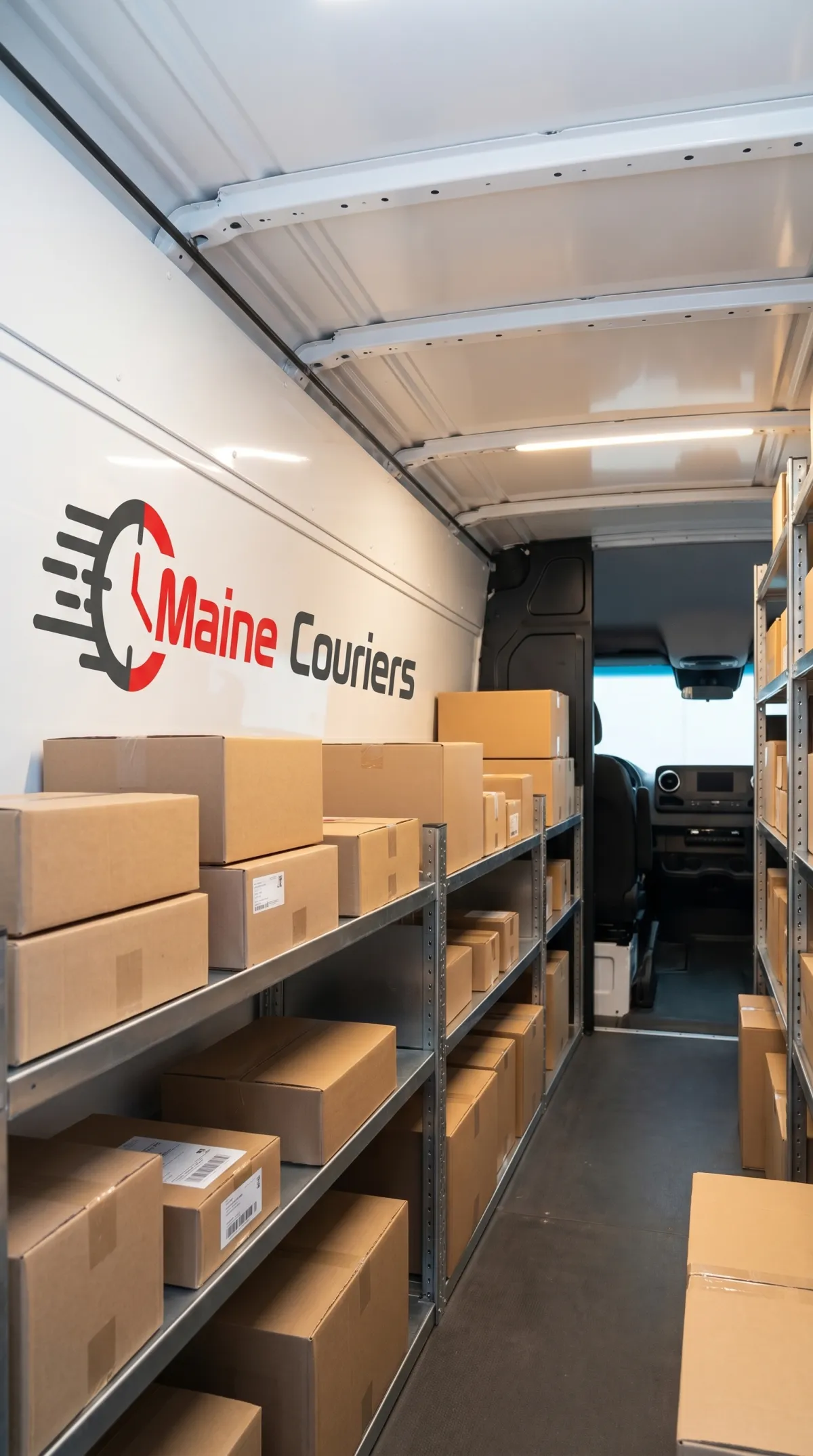
Dedicated courier services provide an exclusive vehicle and driver assigned to your shipments. The vehicle is branded with your company's identity, stops only where you require, and operates on your schedule. This fundamental difference transforms logistics from a standardised commodity service into a tailored solution designed around your specific business requirements. Dedicated services excel when you have consistent, predictable delivery needs or when circumstances demand absolute flexibility and control.
The dedicated model delivers several concrete operational advantages. Scheduling becomes completely flexible—collect at any time, deliver at any location, and modify routes in response to customer demands. Direct routing eliminates unnecessary stops, reducing transit times substantially. Your packages receive white-glove treatment from drivers who understand your goods, your customers, and your service standards. Communication flows directly between you and your courier, eliminating the intermediaries and confusion inherent in larger networks. For businesses with regular shipment volumes, this direct relationship creates operational predictability and reliability that shared networks cannot match.
"Businesses shipping 5-10+ packages daily typically find dedicated couriers more cost-effective than shared networks when accounting for improved efficiency, reduced issues, and enhanced customer satisfaction."
Reliability and Consistency Metrics
Shared network couriers achieve 90-95% on-time delivery performance. This seems reasonable until you realise that for a business shipping 100 packages weekly, this translates to 5-10 failed deliveries. Each failure generates customer dissatisfaction, investigation time, and potential disputes. Dedicated couriers operating for quality-focused providers achieve 98-99%+ on-time performance because the driver's reputation and income depend directly on individual customer satisfaction.
Tracking and communication demonstrate stark differences. Shared networks provide estimated delivery windows measured in hours; dedicated services provide specific time commitments and direct driver contact. When delays occur, shared network customers must navigate call centres; dedicated courier customers speak directly with the driver handling their shipment. This transparency eliminates frustration and enables rapid problem resolution. For businesses with service-sensitive customers, these reliability differences directly impact customer retention and repeat business.
Cost Analysis: Initial Impressions vs. True Economics
Shared networks charge per-package rates, typically £8-15 per delivery, appearing cheaper than dedicated services costing £200-400 daily. However, this comparison ignores numerous hidden costs. For a business shipping 15-20 packages daily, dedicated services cost approximately £40-50 per package inclusive of all operations. The same business using shared networks might pay £10-15 per package in transport fees, but faces additional costs: admin time managing collections across multiple carriers, excess fees for special requests, rescheduling costs from failed deliveries, and customer service burden from reliability issues.
Detailed cost analysis of businesses shifting from shared to dedicated services reveals remarkable findings. Whilst transport costs increase 20-30%, overall logistics costs decrease 10-20% when accounting for eliminated management overhead, reduced exception handling, and improved operational efficiency. Dedicated services additionally provide greater cost predictability—rates remain stable rather than fluctuating with network utilisation. For businesses with seasonal volume variations, dedicated couriers offer flexible scaling within the relationship rather than jumping between carriers.
Service Quality and Customer Experience
Dedicated couriers directly influence your brand perception. Your customers receive packages from professionally branded vehicles, handled by courteous drivers who answer their questions and provide genuine customer service. This consistency builds brand trust and customer loyalty. Shared network couriers operate anonymously—customers never know which carrier handled their package, and poor service reflects on your brand despite being outside your control.
Specific service enhancements become possible with dedicated relationships. Drivers learn customer preferences, delivery procedures, and handling requirements specific to your goods. Special requests like photography-upon-delivery, signature-on-site verification, or specific timing windows become standard practice rather than premium add-ons. For businesses requiring white-glove service, dedicated couriers create service experiences that shared networks cannot match. This service differentiation becomes a genuine competitive advantage, particularly in B2B markets where reliability and professionalism significantly influence purchasing decisions.
Operational Control and Scalability
Dedicated services provide genuine operational control. You determine routes, timings, and service standards. Need to visit a customer before your scheduled delivery window? No problem. Want to adjust tomorrow's routes based on new orders? Instantly managed. This flexibility enables responsive, customer-centric operations that rigid shared networks cannot accommodate. For growing businesses, this flexibility becomes increasingly valuable as operations become more complex.
Scalability works differently in dedicated models. Rather than volume-based cost reductions, dedicated services scale through operational efficiency improvements. As your volume grows, route densification reduces per-package costs without requiring carrier negotiations. Adding additional vehicles remains straightforward when single carriers handle all your logistics. This scalability enables smooth growth without logistics becoming a constraint or requiring supplier negotiations at vulnerable moments.
When Shared Networks Make Sense
Dedicated services aren't universally optimal. Businesses with irregular shipping patterns, low weekly volumes (1-5 packages), or predictable routine shipments often find shared networks more cost-effective. Occasional shippers benefit from shared network flexibility without commitment to fixed-cost relationships. Similarly, businesses with truly routine operations—same locations, consistent timings—find shared networks adequate and less expensive.
The optimal choice depends on individual circumstances. Analyse your shipping patterns: frequency, consistency, service requirements, and sensitivity to delivery timing. Calculate true costs including management overhead and exception handling. Consider strategic value—does reliable delivery meaningfully impact customer satisfaction and retention? For many growing businesses, these calculations demonstrate that dedicated courier relationships generate superior value despite higher headline transport costs.
Conclusion: Strategic Logistics Decisions
The choice between dedicated and shared courier services reflects broader strategic thinking about logistics. Shared networks excel as commodity services for low-volume, time-insensitive shipments. Dedicated couriers deliver superior value for businesses with regular volumes, service-sensitive customers, or strategic importance placed on delivery reliability. Most growing businesses discover that shifting from shared networks to dedicated relationships improves operational efficiency, enhances customer satisfaction, and reduces total logistics costs. The investment in dedicated courier services becomes not an expense but a strategic investment in customer service excellence and operational reliability.
Experience Dedicated Courier Excellence
Maine Couriers offers flexible dedicated delivery solutions tailored to your business needs. Reliable, professional, and cost-effective.
Get a Quote